


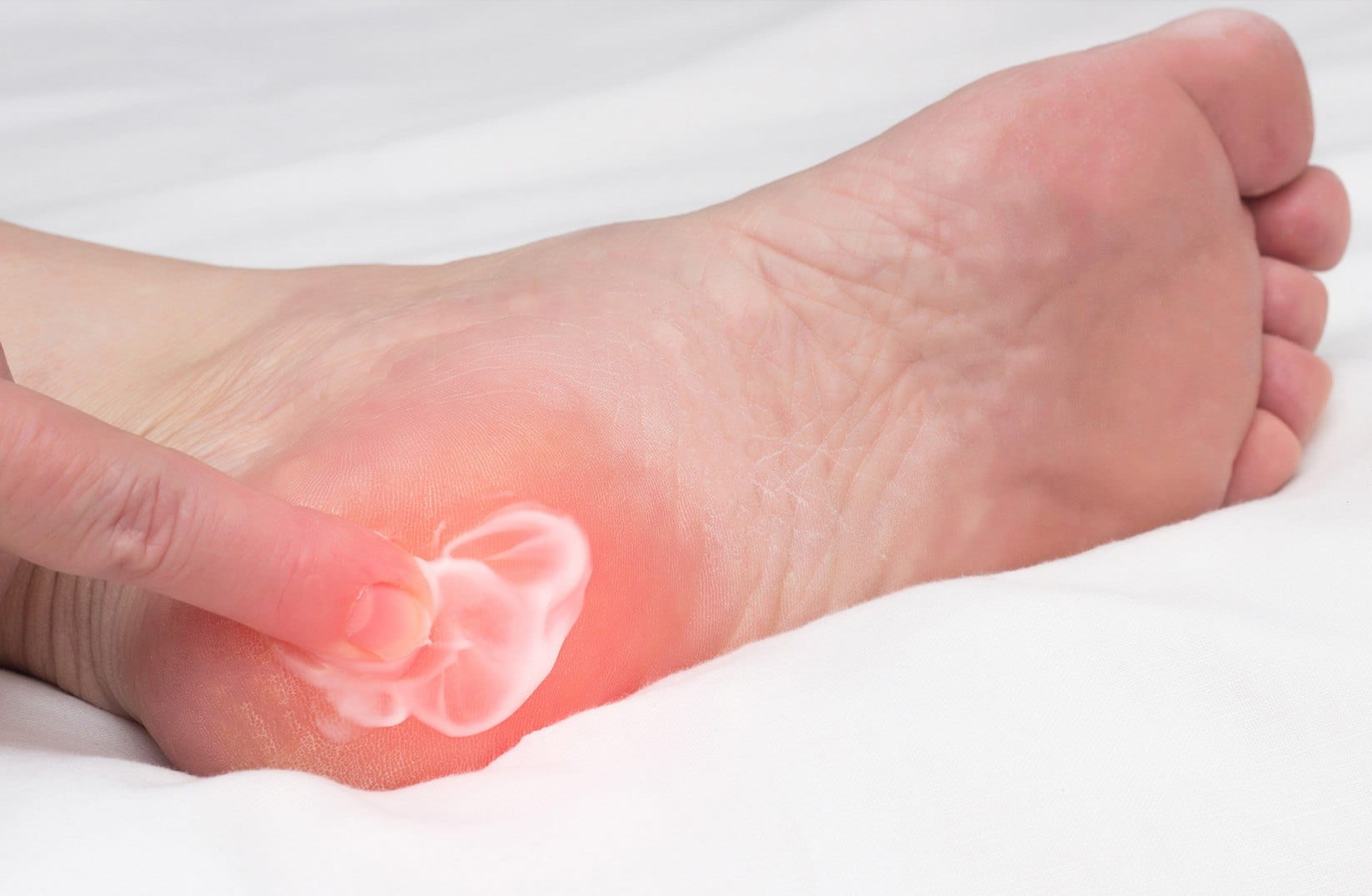
While pain may appear suddenly or gradually, it often becomes most noticeable with the first steps in the morning, when the underside of the heel and the plantar surface of the foot are put under tension. Because heel pain is a common concern and has many potential causes, understanding the common cause of heel pain, the location of the pain, and whether a heel spur or plantar fasciitis is involved is essential for proper treatment.
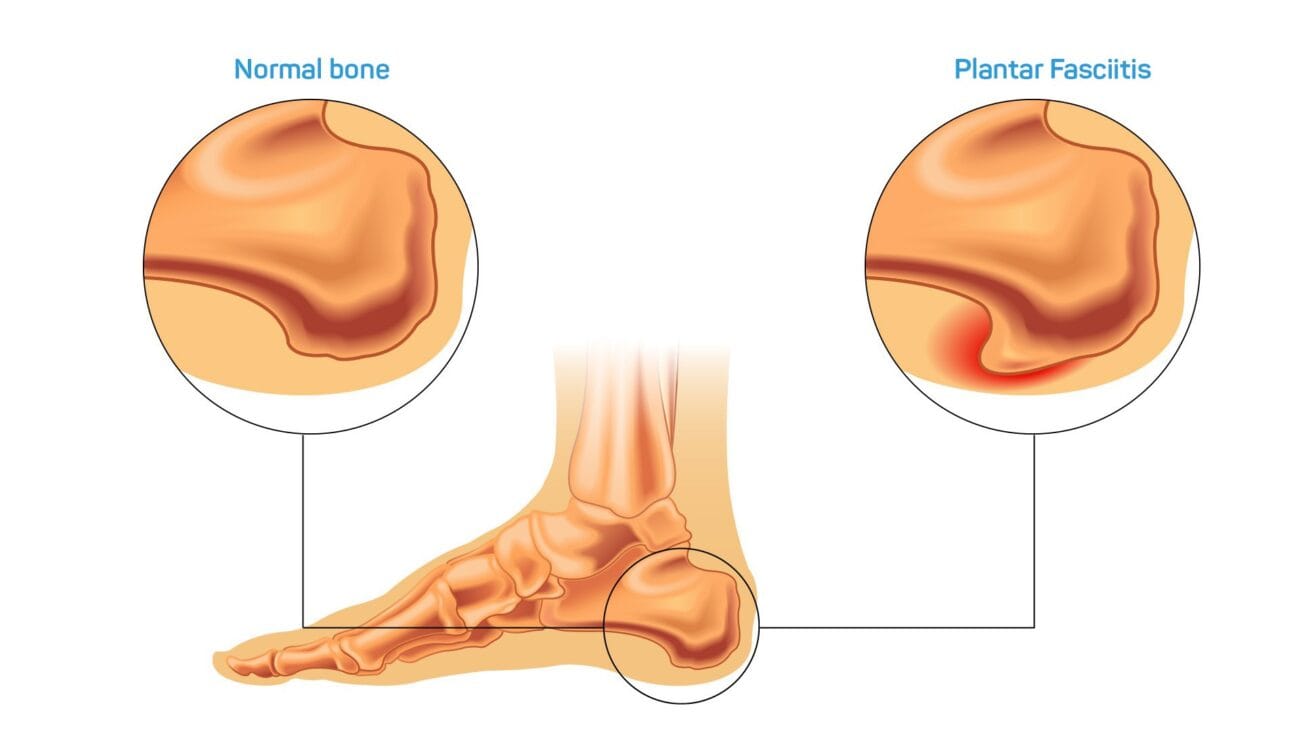
One of the most common causes of heel pain is plantar fasciitis, which typically causes intense discomfort at the bottom of the heel or back of the heel. Although plantar fasciitis is often associated with a heel spur, the spur itself rarely causes symptoms. Instead, pain often comes from irritation or degeneration of the plantar fascia, a strong band of tissue that attaches to the heel bone and supports the arch of the foot.
This guide explains the key heel pain causes, the cause of plantar fasciitis, the role of the heel bone, and evidence-based approaches to treatment that help relieve symptoms and prevent heel pain from returning.
Understanding Plantar Fasciitis and Heel Pain
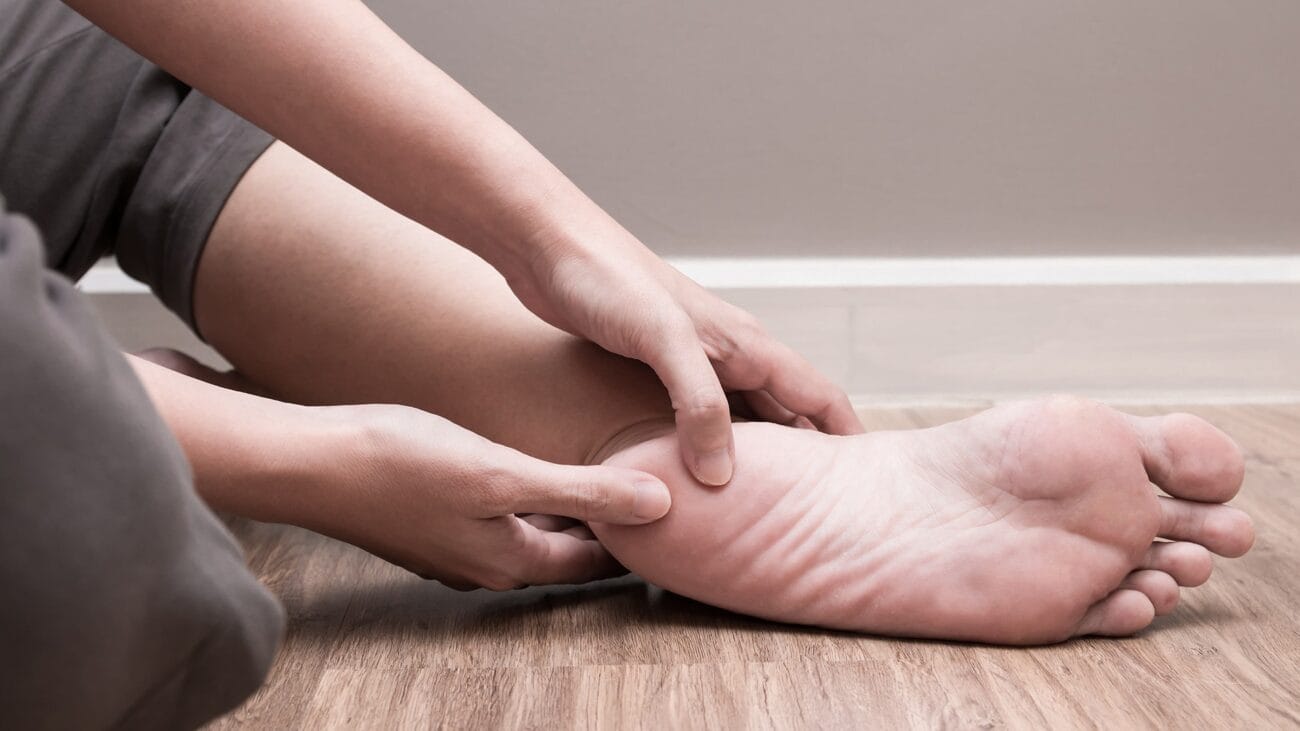
Plantar fasciitis commonly causes stabbing discomfort near the bottom of your foot, especially close to the heel bone to the base of the toes. This condition typically causes pain after inactivity and can worsen with prolonged standing, walking, or walking barefoot on hard surfaces. The plantar fascia is a band of connective tissue running from the heel to the ball of the foot. When long-term strain on the plantar fascia or repetitive micro-injuries occur, the tissue becomes irritated.
Why does this strain happen?
- Overuse in sports or daily activities
- Tight calf muscles or Achilles tendon tension (plantar fasciitis and Achilles often coexist)
- Poor footwear or lack of heel pads
- Excess body weight
- Sudden increase in activity
- Hard flooring at home or work
- Biomechanical issues in the foot and ankle
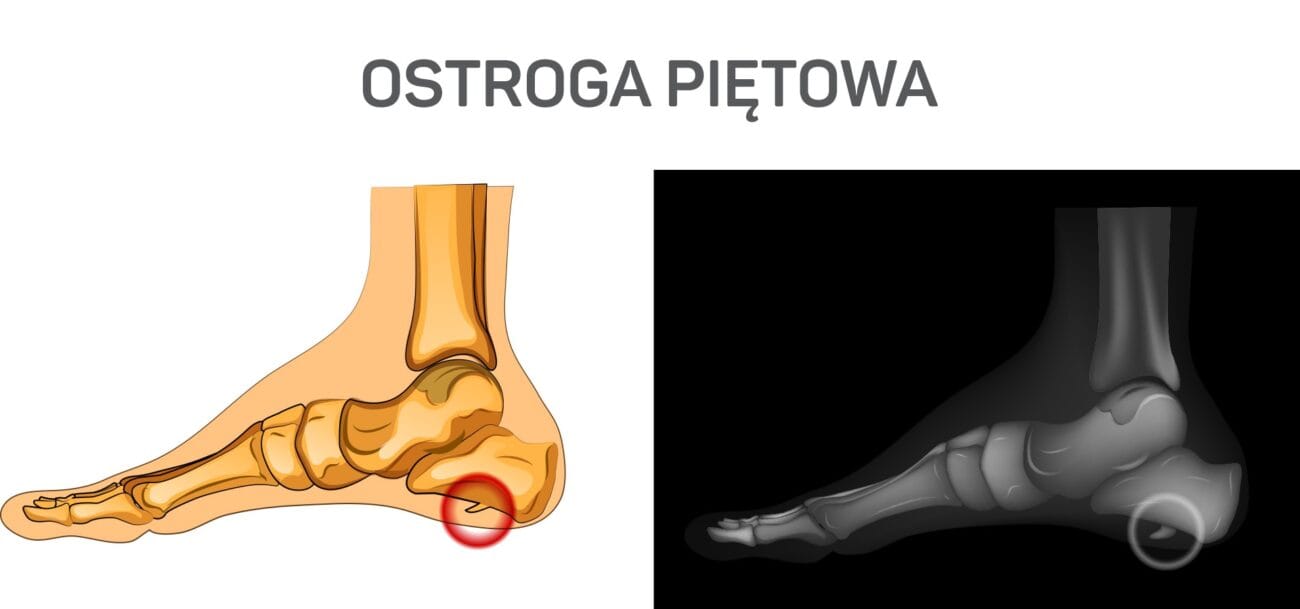
When the plantar fascia weakens, the heel bone may develop a spur. While this looks alarming on X-ray, the spur itself usually does not cause pain.
What Does Heel Pain Feel Like?
Pain in the heel can present in many ways:
- Sharp discomfort after rest
- A stabbing sensation at the back of your heel
- Burning or throbbing in the sole of the foot
- A sore heel while walking
- Pain at the bottom of the foot
- Stiffness, especially during the first steps in the morning
Sometimes pain may be associated with swelling or tightness in the calf, and pain often worsens after physical activity rather than during it. In cases of chronic heel pain, symptoms persist for months and may lead to compensations that affect the knees, hips, or back.
Heel Spur: What It Is and What It Isn’t
A heel spur is a small bony growth on the surface of the heel bone. Many people assume the spur is the cause of heel pain, but medical research shows the opposite: the spur is usually a result of mechanical overload and strain on the plantar fascia.
Key facts about heel spurs:
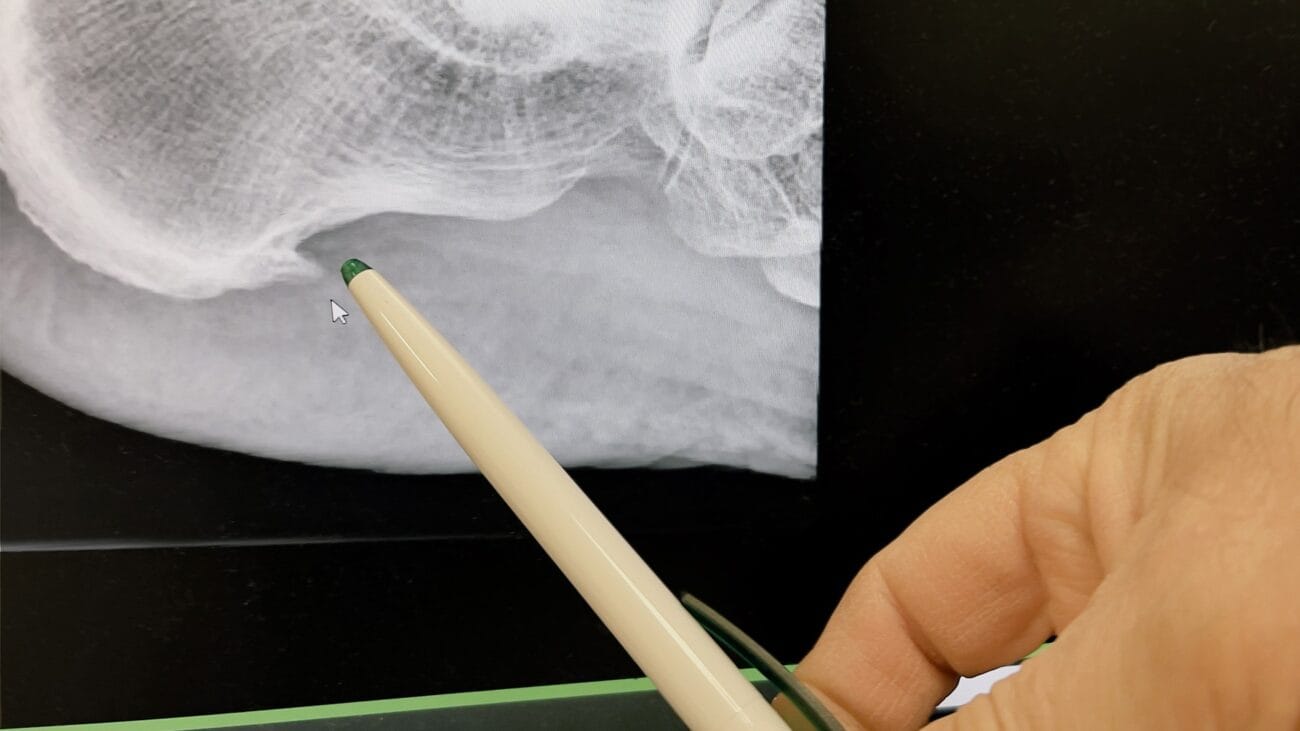
- They often appear on X-ray even when there is no pain in the heel.
- They form when the fascia attaches to the heel and pulls excessively over time.
- They rarely cause heel pain directly.
Thus, treating the spur itself is rarely necessary. Instead, addressing plantar fascia overload offers the best outcomes.
Causes of Heel Pain Include:
Causes of heel pain include plantar fasciitis, Achilles tendon irritation, bursitis and heel spurs, stress fractures of the foot, nerve compression, or biomechanical issues. Among these, fasciitis is the most common cause of persistent discomfort in adults, while heel pain in children often stems from growth-plate irritation.
Since there are many causes, proper evaluation is essential for accurate diagnosis of heel pain.
Can Steroid Injections Help Heel Pain?
Some patients consider an injection for short-term pain relief, typically a steroid-based solution. While injections can offer short-term pain relief, they do not correct biomechanical problems or the true cause of heel pain.
Steroid injections may temporarily ease symptoms, but they can also lead to:
- Weakened plantar fascia
- Rupture of tissue
- Fat pad thinning
- Worsening symptoms long-term
Because of these risks, injections are no longer considered a preferred treatment of heel pain.
Effective Conservative Treatment Options
Conservative treatment remains the gold standard for treating plantar fasciitis, plantar heel pain, and spur-related discomfort.
1. Proper Footwear & Avoiding Walking Barefoot
Supportive shoes reduce stress on the heel, stabilize the arch, and minimize strain.
2. Orthotic Insoles
Dynamic insoles help:
- Support the arch of the foot
- Reduce overload
- Improve foot mechanics
- Prevent pain flares
Insoles also help reduce strain on the plantar fascia and are effective for persistent heel pain.
3. Stretching & Strengthening
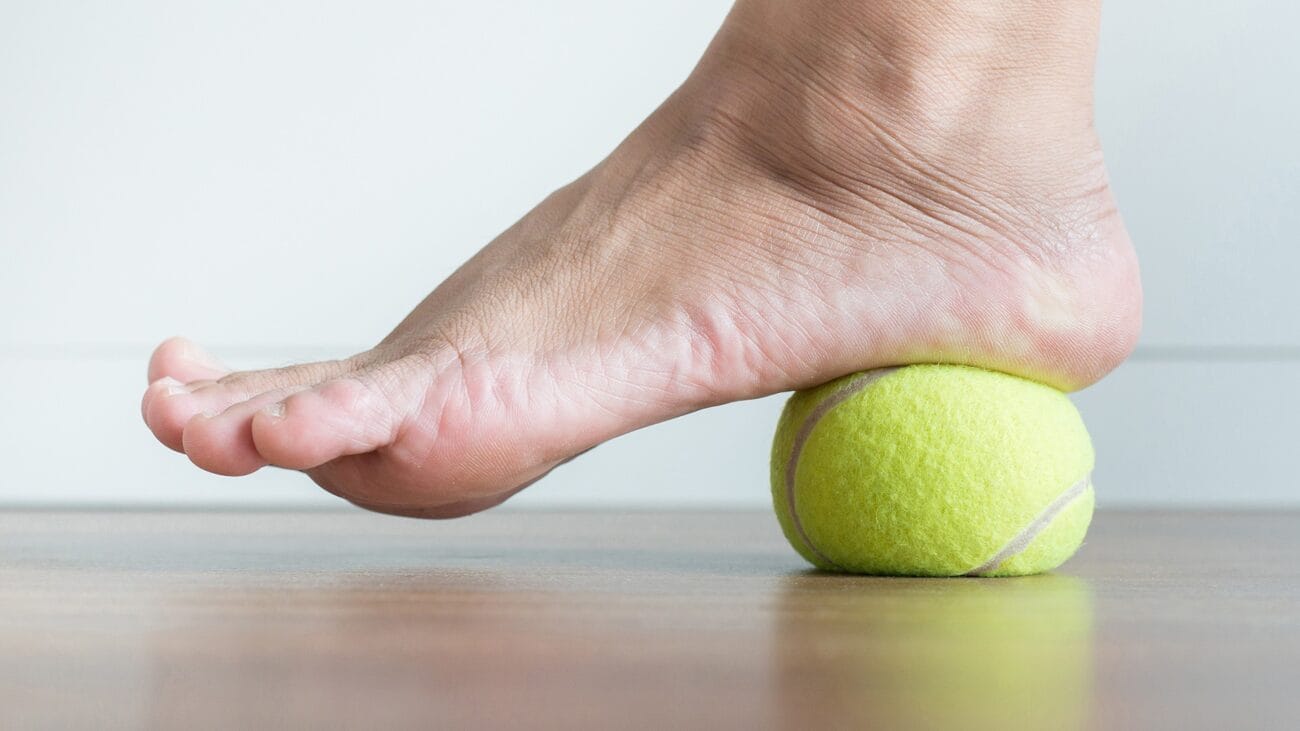
Exercises targeting the calf, Achilles, and foot muscles help reduce stress on the heel and improve mobility.
4. Night Splint
A night splint keeps the foot gently stretched and can reduce morning symptoms.
5. Shockwave Therapy
Highly effective for chronic plantar fasciitis and recalcitrant cases.
6. Manual Therapy
Includes massage of the plantar surface, calf release, and mobility of the foot and ankle.
7. Activity Modification
Reducing repetitive stress helps symptoms improve. Heel pain often improves when activity is adjusted.
Surgery: Rarely Required
Surgical intervention is considered only when all other options fail. Procedures may address tissue degeneration but can also lead to arch collapse or nerve irritation. Because pain is a very common condition with non-surgical solutions, surgery is a last resort.
How to Prevent Heel Pain
To prevent heel pain and stop pain from returning, consider:
- Supportive footwear
- Orthotic insoles
- Stretching the plantar fascia and calf
- Avoiding prolonged standing on hard surfaces
- Maintaining healthy body weight
- Strengthening foot muscles
With proper care, pain goes away for most individuals, and long-term improvement is achievable.
Conclusion
Whether your symptoms stem from plantar fasciitis, a heel spur, or another common foot issue, understanding the possible causes and choosing the right treatment is key. Since pain is usually associated with biomechanical strain and not the spur itself, addressing overload of the bottom of the heel and supporting the sole of the foot brings long-term relief.
FootWave™ PLANTAR FASCIITIS
Heel pain shouldn’t control your day.
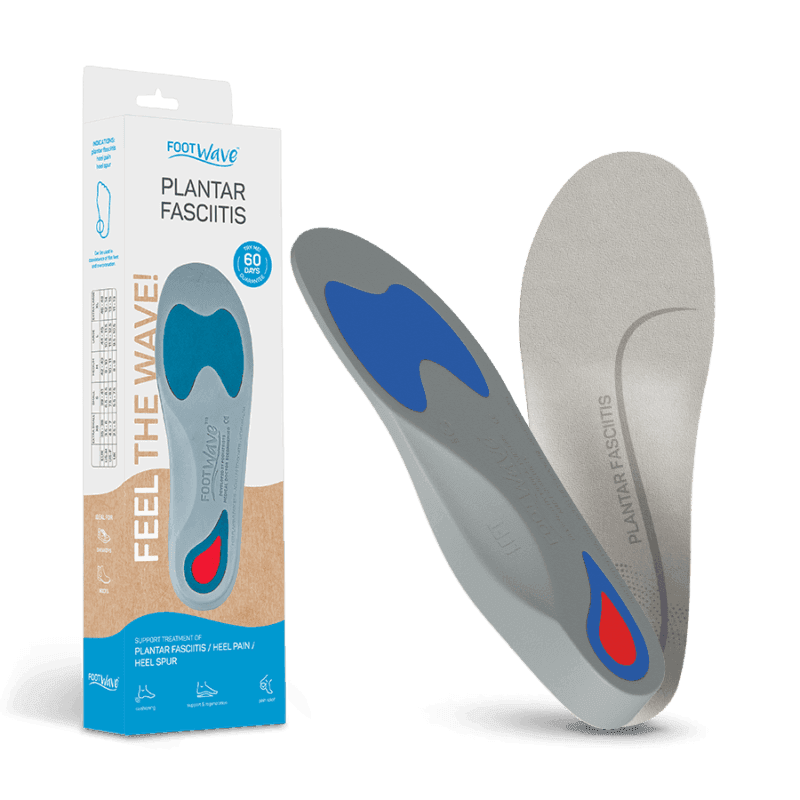
FootWave™ Plantar Fasciitis Orthopedic Insoles are designed to work with your foot’s natural movement, helping relieve plantar fasciitis, heel spurs, and chronic heel pain where it actually starts.
By stabilizing the heel and supporting the arch, they reduce strain on the plantar fascia, absorb impact, and ease discomfort with every step. The result? Smoother movement, better stability, and real relief you can feel in everyday life.
Targeted support. Lasting comfort. Relief in motion.
Bibliography:
- The real risks of steroid injection for plantar fasciitis, with a review of conservative therapies, Yusuf Ziya Tatli, Sameer Kapasi, 2009
- The effectiveness of corticosteroid injection in the treatment of plantar fasciitis
- Teck Wee Andrew Ang, Singapore Med J. 2015
- Cortisone Injections For Plantar Fasciitis – Know the Risks!, 2019
- Osocze bogatopłytkowe PRP – www.luxmed.pl
Injected corticosteroids for treating plantar heel pain in adults, Judy A David, Venkatesan Sankarapandian, Prince RH Christopher, Ahana Chatterjee, Ashish S Macaden, 2017 - Comparison of dry needling and steroid injection in the treatment of plantar fasciitis: a single-blind randomized clinical trial. Rastegar S, Baradaran Mahdavi S, Hoseinzadeh B, Badiei S. Int Orthop. 2017
- Plantar Fasciitis Thomas Trojian, and Alicia K. Tucker, 2019